
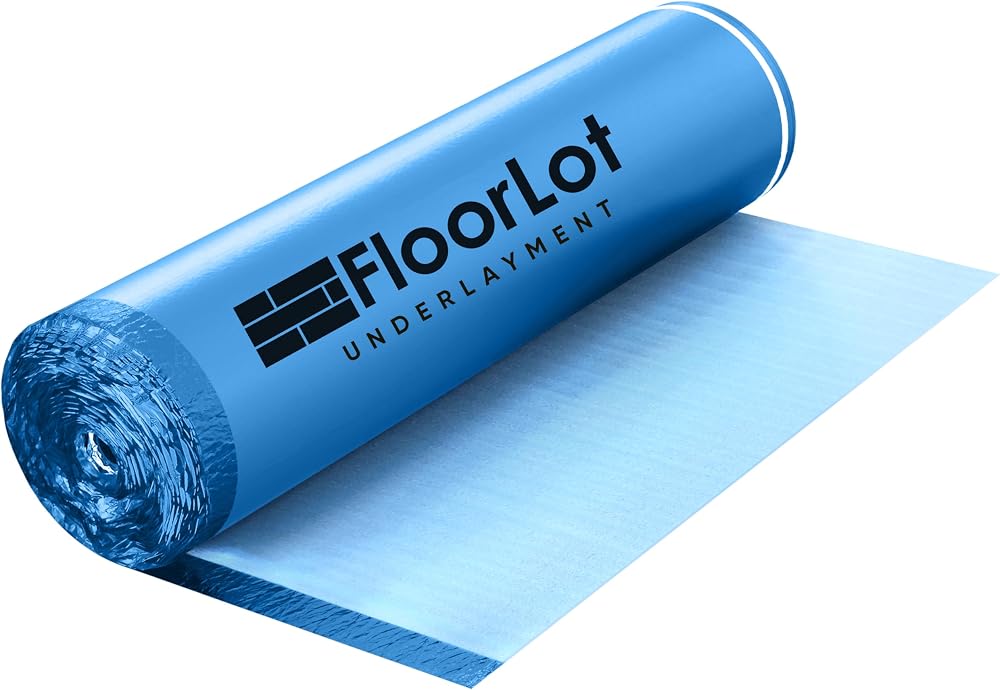
“3-in-1” usually means: cushion foam + moisture film + overlapping seam system (tape or lip). One roll, fewer trips. That convenience is real. So is the range from decent closed-cell product to sad foam that permanently remembers your knee print.
What’s in the bundle
- Foam layer — sound and minor comfort; density varies wildly
- Film — vapor retarder for slab and damp conditions when installed correctly
- Seam system — only works if you actually seal it
It is still not self-leveling compound. It is not carpet pad. It is not automatically approved under every LVP brand.

When a good 3-in-1 is enough
- Floating laminate on a reasonably flat slab with brand approval
- DIY jobs where integrated film reduces mistakes vs loose poly sheets
- Budgets that can’t stretch to premium fiber but can avoid the absolute cheapest mush
Pinch the foam. Check mil thickness of the film if listed. Look for explicit flooring-type approvals. Bulk multipacks can be fine for large square footage if the product itself isn’t junk.
When to step up
- Rigid-core LVP that wants firm, thin, brand-specific underlay
- Condo acoustic documentation
- You can hear a hollow stage underfoot on day two with similar foam
- Pre-attached pad already on the plank and the brand forbids extra cushion
Upgrading usually means denser fiber, wood-fiber boards, or LVP-rated underlay—not a thicker marshmallow.
Install notes people rush
Film side orientation matters—follow the print on the roll even when a store clerk shrugs. Tape seams clean; dusty film doesn’t seal. Run underlay the day you install if you can, so it doesn’t become a hallway runner for muddy boots. Cut doorways clean; wrinkled film becomes a telegraph line forever.
Orientation fights
Some rolls print “this side up” on the film in a way that confuses everyone including the manufacturer’s own endcaps. When in doubt, match the install sheet and the foam/film logic: vapor barrier toward the moisture source as specified—not toward whatever TikTok said this week.
Combo rolls and better-than-combo options


Straight answers
Is 2-in-1 different from 3-in-1?
Marketing math. Count the functions: cushion, film, seam system. Names vary. Specs matter more than the numeral.
Can 3-in-1 replace poly under LVP?
Only if the flooring manufacturer accepts that underlay as the moisture control layer. Otherwise you may still need their specified film or a different pad.
Why did my 3-in-1 go flat?
Low-density foam and traffic. Once crushed, it stays crushed. Replace with higher density product next time—and check subfloor flatness.
Keep reading
Shop underlays & pads All guides
Manufacturer install sheets win every argument. Underyoo is discovery and judgment; checkout stays on Amazon. We do not merchandise adhesives.