

If you only remember one line: approved thickness beats maximum thickness you can physically stuff under a plank.
Speak mm like the install sheet
Most underlay is sold in millimeters (2 mm, 3 mm, 6 mm). Flooring folks also mumble about inches (1/8"). Convert when you must: 3 mm is about 1/8". Don’t mix mils (film thickness) with millimeters (pad thickness) or you’ll buy nonsense.
Manufacturer caps are real
LVP brands especially love maximum underlay thickness language. Go over and you may void the floor. Laminate brands care too—especially with attached pad. “But the sales associate said thicker is better” is not a warranty document.

Do the attached-pad math
Factory foam counts even when the listing photos ignore it. If the plank has 1 mm attached and the brand allows 1 mm additional, a 3 mm roll is not a clever loophole. It’s a future argument.
Doors, dishwashers, and reducers
Every millimeter raises finished floor height. Check:
- Door swings and carpet-to-hard transitions
- Appliance wheels and toe-kicks
- Tile reducers you already bought
- ADA or aging-in-place thresholds if that matters in the house
A multi-tool undercut is normal. Discovering you need one after the hallway is down is a mood.
Thicker is not a forever quiet button
Soft thick foam can feel quiet on day one and crush into a thin, dead layer later—while training your locks to flex. Firmer, moderately thick products often age better. Acoustics come from density and design, not only from bulk.
Whole-house consistency
Changing underlay thickness room to room makes transitions ugly. Pick a stack and stick with it unless a wet room or condo rule forces a documented exception.
Thickness-aware options to compare

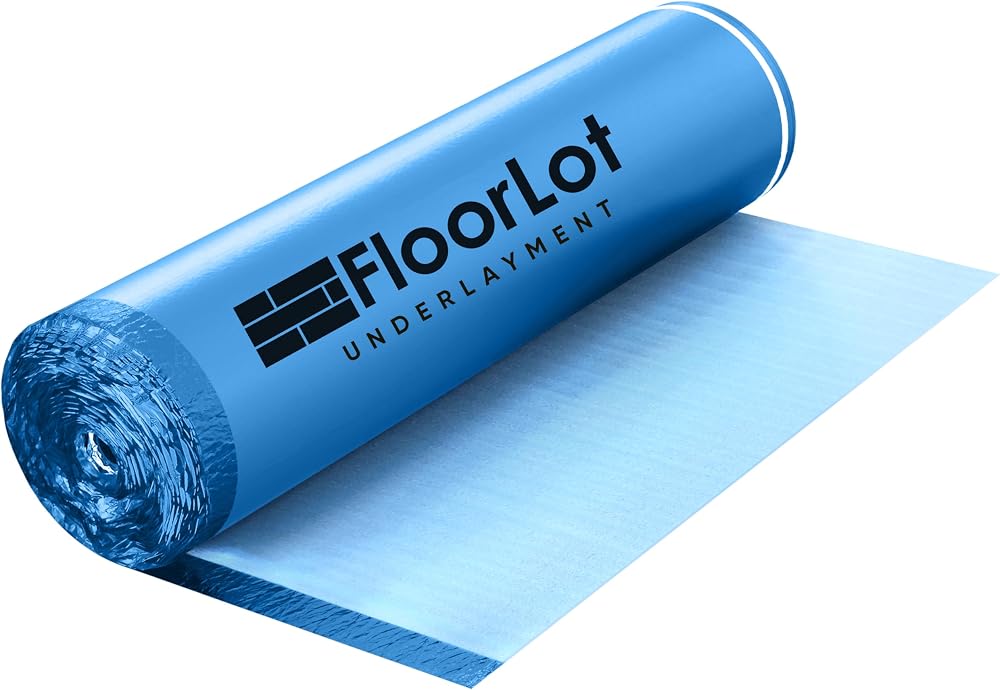


Straight answers
Is 6 mm always better than 3 mm?
No. Better for some sound/feel goals when allowed; worse when it violates caps, wrecks doors, or over-softens a rigid floor.
What about 1 mm underlay?
Common when brands want minimal additional cushion over attached pad or very firm LVP stacks. Thin can be correct.
Does film thickness count toward underlay thickness?
Usually the pad rating is what they mean, but integrated film is part of the product. Follow the brand’s definition—don’t freestyle math.
Keep reading
Shop underlays & pads All guides
Manufacturer install sheets win every argument. Underyoo is discovery and judgment; checkout stays on Amazon. We do not merchandise adhesives.