

Walk a big-box aisle and half the boxes scream “pad attached!” like it’s a gift. Sometimes it is. Sometimes it’s the cheapest foam that still photographs as a feature bullet.
Why manufacturers attach pad
- Faster DIY story
- One SKU at checkout
- Controlled thickness (in theory)
- Lower sticker shock than plank + premium roll
Attached foam is often thin. Fine for a quiet upstairs bedroom on a flat wood subfloor. Less fine when you need real acoustic numbers or a serious vapor film on slab.
When separate underlay earns money
- Condo IIC documentation
- Concrete moisture strategy
- Better long-term compression resistance
- You bought bare-back planks on purpose
Separate underlay also lets you match the pad to the room: denser in halls, different moisture story on slab vs second story. Flexibility costs a little time with a utility knife.

The dangerous idea: “I’ll just add more”
Double padding is the classic void. If the plank has foam and you roll more foam without approval, you can over-flex locks and hand the manufacturer an easy out. Look for language like “approved over pre-attached underlayment” or “do not install additional cushion.”
No language? Default to attached-only or call the brand. Internet forums are not a warranty rider.
A simple decision path
- Read the flooring install sheet for your exact SKU
- Note attached pad yes/no and any max additional thickness
- Note moisture requirements for your subfloor
- Note acoustic requirements (building or preference)
- Buy pad that satisfies 2–4 without freelancing
Price honesty
Attached-pad planks can still lose on total cost if you later add approved acoustic underlay—or if the cheap foam fails early and you re-do labor. Separate premium underlay under a solid bare-back plank is often the grown-up stack.
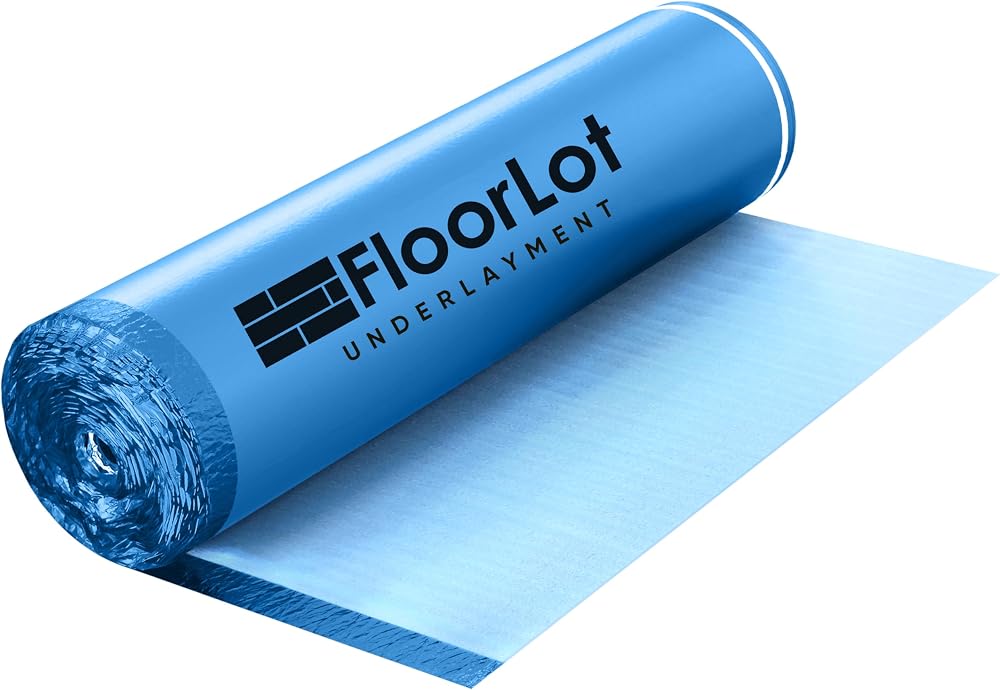
If you’re shopping separate underlay


Straight answers
Is attached pad always lower quality?
Not always—but it is often thinner and less acoustic than a purpose-bought roll. Judge the whole system, not the marketing badge.
Can I remove attached foam and use better underlay?
Usually a terrible idea. You can damage the plank and void everything. Buy the right system instead of performing surgery.
Do floating engineered floors follow the same rules?
Same logic: manufacturer sheet first. Many engineered floats want specific underlay density and moisture behavior.
Keep reading
Shop underlays & pads All guides
Manufacturer install sheets win every argument. Underyoo is discovery and judgment; checkout stays on Amazon. We do not merchandise adhesives.